
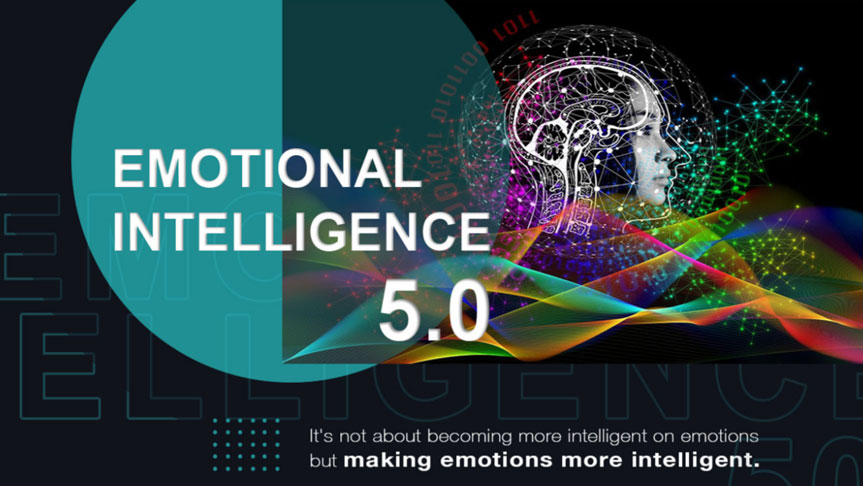
Emotional intelligence (EI) is increasingly recognized as one of the most important "soft skills" in the workplace.
It refers to the ability to understand, manage, and express one's own emotions, as well as to recognize and influence the emotions of others. In professional settings, EI is vital because it impacts everything from team collaboration to leadership effectiveness and client relationships.
Why Emotional Intelligence is So Valuable in the Workplace
- Enhances Leadership: Leaders with high emotional intelligence are better equipped to inspire, motivate, and connect with their teams. They can manage stress, resolve conflicts, and create an environment of trust and collaboration, all of which contribute to high performance and loyalty. EI enables leaders to provide constructive feedback, navigate complex interpersonal dynamics, and align individual motivations with organizational goals.
- Improves Teamwork and Collaboration: Emotionally intelligent individuals tend to have strong communication skills, empathy, and conflict resolution abilities. These traits help foster a collaborative and inclusive work environment, where team members feel heard and valued. Understanding team members' emotions can improve group dynamics, enhance productivity, and encourage creative problem-solving.
- Supports Conflict Management: Emotional intelligence helps individuals manage and resolve conflicts effectively. By understanding the emotional undercurrents of a situation, emotionally intelligent professionals can approach conflicts with empathy and a problem-solving mindset, leading to more positive outcomes.
- Boosts Resilience and Adaptability: EI is critical in navigating change and uncertainty. Employees with high emotional intelligence are more adaptable to new situations, cope better with stress, and remain productive under pressure. This skill is especially valuable in fast-paced, evolving industries where emotional resilience is a key to long-term success.
- Improves Client and Customer Relationships: In roles that involve interacting with clients or customers, EI is crucial for building rapport and trust. Emotionally intelligent employees can better understand the needs, concerns, and emotions of clients, leading to stronger relationships, greater customer satisfaction, and increased loyalty.
- Enhances Decision-Making: Emotionally intelligent professionals are more aware of how emotions influence their own decision-making process. They can separate emotional impulses from rational thinking, leading to more thoughtful, balanced decisions. EI also helps leaders and managers to understand the emotional impacts of their decisions on others, contributing to more empathetic leadership.
Key Components of Emotional Intelligence
- Self-Awareness: The ability to recognize and understand your own emotions, and how they affect your thoughts and behavior.
- Self-Regulation: Managing your emotions, especially in stressful situations, and maintaining self-control and integrity.
- Motivation: A passion for work that goes beyond money or status, and a desire to pursue goals with energy and persistence.
- Empathy: The ability to understand the emotional makeup of other people and respond appropriately to their emotions.
- Social Skills: Proficiency in managing relationships and building networks, as well as the ability to find common ground and build rapport.
Why EI is the Most In-Demand Soft Skill
As organizations place increasing value on collaboration, adaptability, and empathy, emotional intelligence has emerged as one of the most sought-after qualities in employees. While technical expertise and hard skills are still critical, employers recognize that the ability to navigate social complexities, foster positive relationships, and manage stress is what sets high performers apart in modern workplaces. In a competitive and fast-changing business environment, the ability to stay calm under pressure, understand different perspectives, and motivate others is indispensable.
Moreover, with the rise of remote work and global teams, the need for strong interpersonal skills has grown. Teams are more diverse, requiring higher levels of empathy and communication to function effectively. Emotional intelligence facilitates cross-cultural collaboration, ensuring that employees can work effectively with people from different backgrounds and cultures.
In Conclusion
Emotional intelligence is not only a personal asset but also a business imperative. As workplaces become more complex and people-centric, EI is increasingly viewed as a differentiator in leadership, team performance, and organizational success. Its impact on communication, decision-making, and conflict resolution makes it one of the most valuable skills for today's workforce.

